Last updated: 11 November 2026
Cost of Living in Panama
What will an ordinary month in Panama cost your family? Start with the home, school and healthcare you need. Then add the way you actually live. A smaller rental does not save you money if it adds a long school run or frequent trips for medical care.
We are Tammi and Simon. We live in Panama City with our three children and two dogs. This overview helps you compare the main costs before making a move. The figures below are starting ranges for planning. They are not fixed bills or a claim about what every household pays.
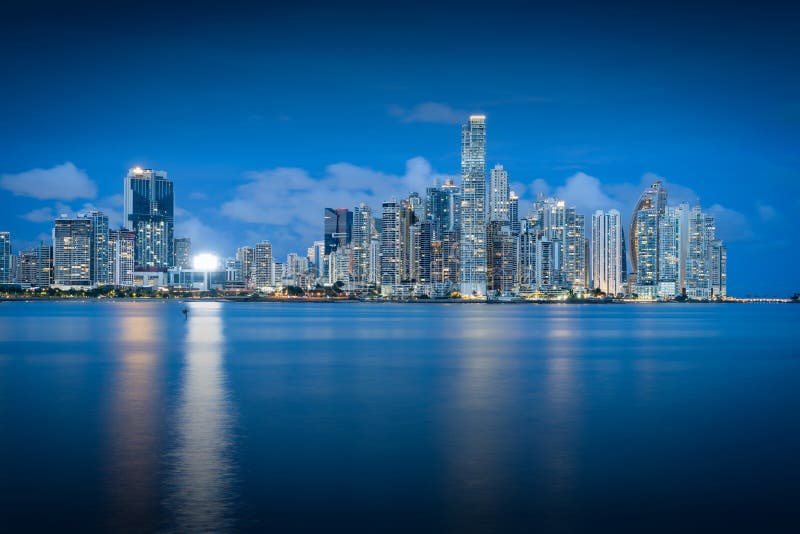
A starting budget for Panama City
Panama City has the widest choice of schools, private hospitals, apartments and services. That choice can also increase your spending. Use these ranges to start a conversation, then price the home, insurance and school that suit you.
| Household | Monthly range |
|---|---|
| Couple | US$2,700 to US$3,800 |
| Family using international schools | US$4,500 to US$8,000+ |
Couple: allow for a comfortable apartment, private insurance, restaurants and regular ride-hailing.
Family using international schools: allow for housing and ordinary spending, plus tuition, transport and activities.
These are different household examples, not totals to add together. School choice can change a family budget sharply. If you homeschool or choose a different school arrangement, build a separate estimate instead of assuming the international-school range applies.
For the neighbourhood and school context behind these figures, read living in Panama City.
Rent is only the first line
Ask whether the quoted rent includes furniture, parking, water and building charges. Check the deposit, lease length and pet policy. A furnished short stay may cost more each month than a long lease, but it gives you time to choose the right area.
We recommend starting with a month-long Airbnb or similar rental. Stay in different areas if you can. Test the supermarket, internet, school route and evening noise. Three- and four-bedroom homes can take longer to find in some areas. Do not rush a lease because the photographs look good.
The costs that change your monthly total
- Electricity: air-conditioning use, the size of the home and ventilation matter. Ask to see recent bills for the actual property.
- Groceries: build a basket of the food you normally buy. Imported brands, convenience foods and restaurant meals can change the total.
- Transport: compare public transport and ride-hailing with owning a car. A car budget includes insurance, servicing, fuel, parking and repairs.
- Healthcare: ask a broker to compare suitable cover, including deductibles and exclusions. Your age, medical history and hospital network affect the quote.
- Schools: request the full annual cost, not tuition alone. Include registration, uniforms, books, transport and activities.
- Pets: allow for ordinary food and veterinary care as well as the separate costs of bringing them to Panama.
- Money transfers: if you earn in another currency, keep exchange rates and transfer fees in your budget.
Compare the location, not just the rent
Boquete offers cooler highland weather. Compare the rental you need, daily transport and access to specialist care. A cooler bedroom may change electricity use, but a longer drive adds other costs.
Coronado is a Pacific-coast option. Check how much you would drive for groceries, school and appointments. Include the practical costs of a beach-area routine.
Bocas del Toro has a different island routine. Add boat transport, deliveries and travel for services you cannot access nearby. A beach view does not tell you what the working week costs.
Keep arrival costs separate
Your first month and a settled month are not the same budget. Keep flights, shipping, pet travel, residency work, temporary accommodation, deposits and furniture separate from recurring costs. Otherwise a one-off payment can make the monthly estimate misleading.
Keep a reserve for changing a rental, unexpected medical expenses and a trip home. Start with the public Panama residency overview when planning the immigration part of your move.
Frequently asked questions
How much does a couple need each month in Panama City?
Our public Panama City guide uses US$2,700 to US$3,800 a month as a planning range for a couple wanting a comfortable apartment, private insurance, restaurants and regular ride-hailing. Your housing, insurance and spending choices can put your total outside that range.
What should a family allow for living in Panama City?
Our public guide uses US$4,500 to US$8,000 or more a month for a family using international schools, including tuition, transport and activities. This is a planning range, not our family's personal monthly bill. Ask schools for their full annual fees before choosing a home.
Does Panama use US dollars?
Everyday prices are quoted in US dollars. If your income or savings are in another currency, allow for exchange-rate changes and the cost of moving money.
Are costs the same in Boquete, Coronado and Bocas del Toro?
No. Compare the home you need and your ordinary routine. Cooler highland weather can change electricity use. Beach areas can add car costs. Island living can add boat travel, deliveries and trips for specialist care.
Should we arrange a long-term rental before arriving?
We recommend renting a furnished long-term Airbnb or similar place for a month while you explore different areas. Some areas have fewer three- and four-bedroom homes. Give yourself time to test the neighbourhood, school route and the property before signing a longer lease.
Build the whole move, not just a monthly estimate
Pathway to Panama brings visas, housing, schools, healthcare, pets and daily life together. The detailed planning tools and member resources stay inside the guide.
Explore Pathway to Panama - US$27 lifetime access