
Pathway Unlocked - Where to live
Last updated: 5 November 2026
Living in Bocas del Toro, Panama (2026): Costs, Schools & Honest Take
Bocas del Toro is not just a beach destination. It is an island-based daily life with boats, rain, tourism, a strong international community and a smaller service network. Isla Colón and Bocas Town are the practical hub. The lifestyle can suit adventurous families, retirees and remote workers who are ready for logistics that would feel inconvenient on the mainland.
Neighbourhoods and island choices
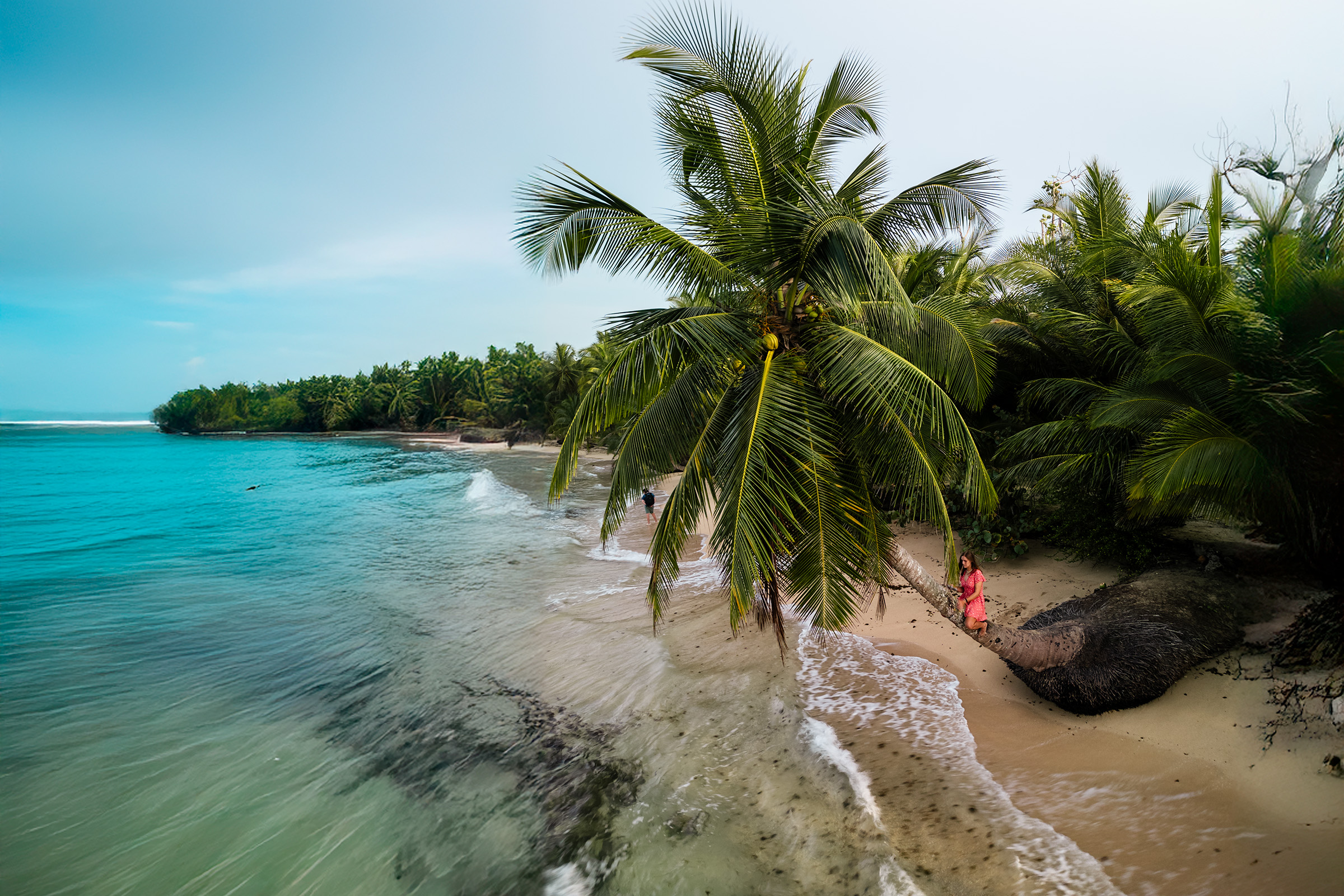
Bocas Town on Isla Colón is the hub for the airport, hospital, bank, grocery stores, hardware shops, restaurants and everyday services . It is the simplest place to begin if you do not want to own a boat. Big Creek is about a ten-minute car ride from town in current local guidance and can feel quieter, with homes near beaches .
Paunch and Bluff are farther along roads that can become more practical with a vehicle. Bluff can suit people who want jungle, surf and beach restaurants, but the distance to town matters. Boca del Drago is farther again, with a more rural routine and fewer services. Carenero and other water-based locations can make boat transport part of every trip .
Families should ask how school, groceries, healthcare, internet and children’s activities work during wet weather. Retirees should ask how they would reach specialist care. Remote workers should test both internet and power. A beautiful island home is only a good home if the ordinary logistics work.
A short visit can show the landscape, but a longer stay is needed to test island logistics. Check power, internet, water, transport, groceries, healthcare and rainy-day routines before choosing a long lease.
Rent and monthly costs
Current local guidance describes Big Creek homes around US$1,000 to US$1,500 per month, with cheaper options closer to town or in places such as Saigon Bay and Carenero around US$500 to US$1,000 . Rent depends heavily on water access, construction, furnishing, generator or solar setup, road access and how close the property is to town.
A published planning example says a retired couple can live around US$2,000 per month, while more current 2026 guides place a couple closer to US$2,000 to US$2,600 depending on rent and imported goods . Food, building materials, power and transport can cost more because goods move to the islands. Boat taxis can turn a small distance into a recurring monthly line.
Add internet backup, power, water, boat taxis, fuel, school, healthcare trips, imported groceries and flights to your budget. Ask whether the rent includes a dock, boat, generator, internet, rubbish collection, water and maintenance. Put every inclusion in writing before paying a deposit.
Schools and learning
Bocas del Toro has an accredited international school option and other private schools with English, Spanish or French instruction, alongside public schools across the archipelago . The exact current choices, ages and fees should be checked directly. Ask about transport, curriculum, admissions, term dates, language support and activities.
Bocas can work for families who value outdoor learning, water activities, community and a slower routine. It can be harder for a child who needs a specialised program or frequent travel. Homeschooling needs reliable internet, a quiet space and a plan for rainy days. Ask other parents what happens when classes, boats or roads are interrupted.
Ask local families and schools about current places, language, transport, term dates, activities and what happens when boats or roads are interrupted. Island schooling needs a practical weather and transport plan.
Healthcare and the mainland plan
Isla Colón has a hospital and smaller private clinics for basic care, but current local guidance says specialist healthcare is limited. Many residents plan trips to David or Panama City for private medical care . That distance should be part of the decision before a family member needs treatment.
Ask an insurer about evacuation, referrals, direct billing, care on the mainland and emergency transport. Ask the local clinic what services are available after hours. Keep medication, prescriptions, insurance documents and a mainland travel plan together. For older residents or anyone with a complex condition, visit the healthcare facilities before signing a long lease.
The island lifestyle can feel wonderfully simple until a specialist appointment, replacement part or urgent prescription is needed. Plan for the exception as carefully as the beach day.
Climate and getting there
Bocas has a tropical Caribbean climate and rain through much of the year. Current local guidance describes the Caribbean weather as different from the Pacific side, with power generation, rain and road conditions affecting everyday costs and plans . Check the exact property for ventilation, mould, drainage, mosquito control, water storage and storm resilience.
From Panama City, a domestic flight to Bocas del Toro is usually the simplest option. Other routes combine a road trip with a boat transfer. From Tocumen Airport, you may need to connect across the city to the domestic airport or arrange an airport transfer before the Bocas flight . Confirm the current airport, luggage rules, boat schedule and weather plan close to travel.
Once you arrive, water taxis connect the islands and mainland access points. A boat trip may be only a few minutes, but weather, luggage, children and dogs change the experience. Build extra time into every appointment .
Pros and honest cons
The pros are nature, water, community, outdoor activities, a distinctive Caribbean culture and a lifestyle that can feel very different from the capital. It can suit adventurous families, retirees who want island life and remote workers who value nature more than convenience. There is a strong international community and plenty of activities for children and adults .
The cons are rain, power interruptions, higher island costs, boat logistics, limited specialist healthcare, a smaller school network and the need to travel for some supplies. Remote work is only as good as the internet and power on the specific property. Retirees need a clear mainland healthcare plan. Families need a school and weather plan.
Bocas del Toro offers nature and community, but daily life also includes rain, boat logistics, power planning, higher island costs and travel for specialist healthcare. Those trade-offs should be tested before a permanent move.
Who this place can suit
A location is not good because somebody online calls it the best place in Panama. It is good when its daily rhythm fits your family. Families usually need school choices, reliable internet, groceries, healthcare and a home that works in the rain. Retirees may value a short route to a clinic, a quiet street and people they can call when something breaks. Remote workers often care about internet, power, a desk, air conditioning and the time lost getting across town.
Make the first decision reversible. Rent a furnished place for one month if you can. Test the supermarket, the school route, the medical route and the noise at night. In some areas, a three- or four-bedroom house can take time to find. Do not sign the first lease because the photographs look good. Give yourself time to find the right house and the right area .
When comparing a location with Panama City, test the ordinary routine: the school or work route, the nearest supermarket, access to healthcare and how long everyday errands take. Those details usually matter more than a view or a holiday activity.
Budgeting in real US dollars
Panama uses the US dollar for everyday pricing, which makes a move easier to budget. It does not make every location equally priced. Rent, imported groceries, electricity, air conditioning, transport, school fees, insurance and flights can change the total quickly. Use the ranges on this page as planning figures, not promises. They are based on current published examples and local context, and every changing number should be treated as a planning figure.
Build three budgets before moving. The first is the minimum that keeps the family safe and housed. The second is the realistic month you expect to live. The third includes a reserve for flights, documents, repairs, healthcare and a second rental while you search. A couple may accept a smaller apartment. A family may need to pay more for bedrooms and school access. A retiree may save on school costs but spend more on insurance and appointments.
Read the wider Panama cost of living guide beside this page. Then use receipts from your own trial month. A budget based on your actual coffee, groceries, taxis and medication is more useful than an average that describes somebody else.
Climate and ordinary life
Panama is warm, but the experience changes sharply by elevation and coast. Panama City and the Pacific beach towns are hot and humid. Boquete is cooler because it sits in the highlands. Bocas del Toro has a Caribbean island climate with rain patterns that do not always match the Pacific side. Dry and rainy seasons are useful planning labels, but rain can still change plans on an ordinary day .
Look beyond the temperature. Ask how the home handles heavy rain, whether the road floods, how quickly clothes dry, what mould control is needed, how often the power fails and whether the bedroom has ventilation or air conditioning. A cooler place may reduce air-conditioning use. An island may increase the cost of moving goods. A beach may be beautiful and still be too far from a hospital for your family.
A useful climate test includes a normal work or school day, time outdoors with children or pets, laundry and sleep. Ask whether the home stays comfortable during the hottest, wettest and most humid parts of the year.
Getting there and getting around
Most international arrivals use Tocumen International Airport, usually called PTY. The airport website has moved to a new address, so check the current official airport site before booking transfers. Panama City has the most transport choices. Other locations require a longer road transfer, a domestic flight or a boat connection .
Do not compare a route only by ticket price. Add the airport transfer, luggage, car hire, fuel, tolls, boat taxi, weather delay and the time needed to reach the home. If children, pets or older relatives are travelling, a direct transfer may be worth more than the cheapest option. Exact times and fares change, so confirm them close to travel .
A location that works for a holiday can feel different when you need a pharmacy, a school meeting or a replacement laptop charger. During a trial stay, make a list of what you had to travel for. That list tells you whether the distance is a feature or a daily cost.
Schools and learning
School choice should be checked before choosing the neighbourhood. Panama City has the broadest range of international and bilingual schools, but fees, admissions and transport vary. Boquete and Bocas del Toro have smaller options. Coronado has local and private options nearby, while some families commute or homeschool .
Ask each school about language, curriculum, registration, uniforms, transport, lunch, term dates, waiting lists and the total annual cost. A published tuition figure may not include registration, books, technology, uniforms or transport. Ask whether a child can enter mid-year and which documents must be translated or apostilled .
If homeschooling is your plan, test the internet and workspace before signing a lease. A home with a beautiful view is not helpful if the family cannot work, study or sleep there. Use the Pathway to Panama guide for the wider schooling and relocation planning sections.
Healthcare and the distance question
Private healthcare is strongest in Panama City. Other areas have clinics, pharmacies and local doctors, but specialist care may mean travelling to David or Panama City. Bocas del Toro has basic local care and a hospital, while specialist treatment can require leaving the islands . Coronado has local clinics and Hospital San Fernando Coronado, but a serious or specialised need still deserves a route plan .
Speak to an insurance broker rather than contacting every insurer separately. Ask about network hospitals, deductibles, pre-existing conditions, emergency evacuation, direct billing and care outside the town where you live. Keep medication names and prescriptions in one folder. Ask the nearest clinic what happens after hours .
Before choosing an area, identify the nearest clinic, pharmacy and hospital, then ask how you would reach specialist care. An address that feels peaceful may require a longer emergency or appointment journey.
The honest trade-off
Every location gives you something and takes something away. Panama City gives access and choice but asks you to manage traffic, noise and a higher budget. Boquete gives cooler weather and a smaller community but may mean a longer drive for specialist care. Coronado gives beach access and convenience but can feel car-dependent. Bocas gives island life and nature but makes logistics, power, supplies and healthcare more complicated.
We are Tammi and Simon Napoli, an Australian family of five with two dogs living in Panama City. Panama City is where we live. For the other locations, we separate what we have personally observed from what we learned from current sources, friends and members. We will not pretend that a family holiday is the same as living there.
If you are still comparing, open the other city pages below. Then book a month-long rental before making a permanent decision. The point is not to find a perfect place. The point is to find the place whose compromises your family can live with.
Compare the other places
Keep your decision simple by comparing the four city guides side by side. There is no perfect place. There is a place whose compromises fit your family.
For the wider move plan, read the Panama cost of living guide and the full Pathway to Panama guide.
Frequently asked questions
Who is Bocas del Toro best for?
It can suit adventurous families, retirees and remote workers who value island nature and can manage boats, rain, supplies and a smaller specialist healthcare network .
How much does rent cost in Bocas del Toro?
Published examples range from about US$500 to US$1,000 for some town or water-side homes and US$1,000 to US$1,500 for some Big Creek homes. These are .
Is healthcare available in Bocas del Toro?
Basic hospital and clinic care is available on Isla Colón, but specialist treatment often means travelling to David or Panama City. Confirm your own route and insurance .
Are there schools in Bocas del Toro?
There are international, private and public options, but the choice is smaller than Panama City. Check current age groups, curriculum, fees and transport .
How do you get to Bocas del Toro from Panama City?
The simplest option is usually a domestic flight, while road and boat combinations are also possible. Confirm the airport, boat and luggage details before travelling .
Is Bocas del Toro expensive?
Rent can be reasonable, but imported food, power, building materials, boat taxis and mainland healthcare trips can raise the total. Budget for island logistics .
Build your Panama plan with fewer unknowns
Use these city notes with the $27 Pathway to Panama guide, then test the area before committing to a long lease.
Open the Pathway to Panama guideSources reviewed
This page is general information, not legal, tax, immigration, medical or financial advice. Changing costs, travel times, school details and service availability should be checked before you act.