
Pathway Unlocked - Canada to Panama
Last updated: 4 November 2026
Moving to Panama from Canada (2026): A Family's Guide
Moving from Canada to Panama is not just a winter escape. It means working through Canadian departure tax, provincial healthcare, pensions, shipping, pets and a different daily rhythm. We are an Australian family living in Panama City, so we tell you what we did and what Canadian friends and members have taught us instead of pretending we made the Canadian move ourselves.
Why people from Canada choose Panama
Canadians often begin with the weather, but the real decision is more detailed. Panama offers warm weather without requiring you to abandon every connection to North America. The dollar is used for everyday spending, Tocumen connects through the Americas and many Canadian families can return home for important events. That proximity can make the first year feel less final.
Our Canadian members also talk about choosing between Panama City, the highlands and the Pacific coast. They are not interchangeable. City life brings hospitals, schools and services. Boquete and Volcán bring cooler evenings. Beach communities bring space and salt air but often mean more driving. Start with the kind of week you want, not a postcard.
The biggest surprise is usually not the heat. It is the amount of active decision-making. You need to ask how a bill is paid, where a document is stamped, what a quote includes and who is responsible for the next step. That can be tiring. It can also be freeing when you stop expecting Panama to operate like Canada.
Our own reason for staying is practical. We wanted more control over how our family spends its time. Panama has given us a base where we can work, educate our children, meet people from many countries and still get outside. That is our story, not a promise that Panama will feel right for every person from Canada.
Which visas you may qualify for from Canada
Canadian citizens should compare the Pensionado route with Friendly Nations and other residence categories. The fact that Canada is a familiar North American country does not remove the need to prove income, family relationships, documents and financial capacity. The thresholds, fees and document rules below are planning guidance. Panama immigration requirements can change and your facts matter. Start with the Panama residency options overview, then confirm the route with a qualified Panamanian immigration professional.
Pensionado residence
The current official checklist describes a lifelong pension threshold of B/.1,000 per month and B/.250 for each dependent, with a qualifying property exception at B/.750 . CPP, OAS, private pensions and other income need to be tested against the current definition and evidence rules .
Friendly Nations residence
Canada is generally included among eligible nationalities, but the qualifying economic tie, investment amount, timing and permanent-residence structure must be confirmed . Older explanations may not reflect the current two-stage process.
Temporary or investment routes
Remote-worker, work, family and economic-solvency routes may fit some Canadians . A lawyer should explain whether your Canadian employer, business, property or investment creates the right connection and what work is allowed.
Do not choose a visa because a social post calls it easy. Ask which documents must be apostilled, how recent they must be, whether dependants are included, whether work is allowed and what happens if your income changes. We built our own move around documents first. That saved us from having to solve avoidable problems after arriving.
A simple next step
Want the full plan?
The $27 Pathway to Panama guide puts visas, cost planning, banking, healthcare, schooling, pets and the move checklist in one place.
See the $27 Pathway to Panama guideTax when you leave Canada
Canada's departure tax is one of the first subjects to understand. The Canada Revenue Agency describes deemed disposition rules for certain property when an emigrant leaves, and Form T1161 may be required when reportable property exceeds C$25,000 . Registered accounts, private corporations, real estate and family ties can change the outcome.
Panama's DGI describes fiscal residence using a more-than-183-day rule in the relevant year or preceding year . That does not automatically settle Canadian residence. Keep your departure file and ask a Canadian adviser to explain the date, assets, provincial ties, health coverage, pensions and any continuing Canadian-source income. We are not tax advisers, and this is not a place for a one-line answer.
We are careful here because tax is personal. Leaving a country, becoming non-resident, becoming tax resident in Panama and keeping assets or income in the old country are four separate questions. Before you book a one-way flight, get advice in both countries. Keep a written record of your departure date, your home, your family ties, your assets and the work you will do after the move.
Healthcare in Panama compared with Canada
Canadian families often compare Panama's private system with provincial healthcare, but the comparison needs care. Panama City has private hospitals, specialists and modern equipment. The private system is paid through insurance, cash or a combination. A quote is not the same as provincial coverage, and a policy may exclude the exact thing you assumed was included.
Ask a broker about deductibles, age bands, pre-existing conditions, maternity, mental health, prescription cover, evacuation and treatment outside Panama. Canadian provincial eligibility after leaving can be complicated . Paying for clarity before moving is safer than discovering a gap after a diagnosis.
If you live outside the capital, identify your emergency plan. Some families travel to Panama City for specialist care. That may be reasonable, but you need to budget the trip and understand how the insurer authorises care. A beautiful mountain home is not a substitute for a healthcare plan.
Our practical advice is to start with a broker rather than contacting every insurer separately. A broker can compare exclusions, deductibles, hospital networks and language support. Ask whether the policy covers Panama only, emergency evacuation, treatment outside Panama and pre-existing conditions. A low monthly premium is not useful if the policy does not cover the care your family may actually need.
Cost of living compared with Canada in real dollars
A current Toronto and Panama City comparison gives Panama City a lower overall snapshot, with the source reporting about 19.9% lower costs excluding rent and 19.6% lower including rent . It also lists separate examples for rent, food, utilities, transport and schooling. Crowdsourced data is useful for a starting point but moves with exchange rates and neighbourhoods.
Canadian families need to watch the categories that look small on a monthly spreadsheet. Imported groceries, air tickets to Canada, private health cover, school fees, air conditioning and a larger rental can change the total quickly. Use US dollars for your Panama budget, then convert your Canadian income using a conservative rate.
The first six months also include deposits, legal work, document fees, furniture, taxis, temporary accommodation and shipping. We recommend a cash buffer that is separate from the monthly living budget. It is easier to enjoy Panama when a delayed shipment is inconvenient rather than dangerous.
These figures are planning numbers, not promises. Rent changes by district, furniture, school choice, age of children, transport and whether you buy imported food. Use the Panama cost of living guide as a starting point, then build your own monthly budget in US dollars. Panama uses the US dollar for everyday pricing, which made our family budgeting easier.
Shipping belongings and pets from Canada
Canada is large, so the departure city affects freight more than people expect. A Toronto shipment, a Vancouver shipment and a rural pickup can have very different costs. Ask for a door-to-door quote and a port-to-door quote. Confirm whether winter packing, insurance, customs brokerage, delivery stairs and storage are included.
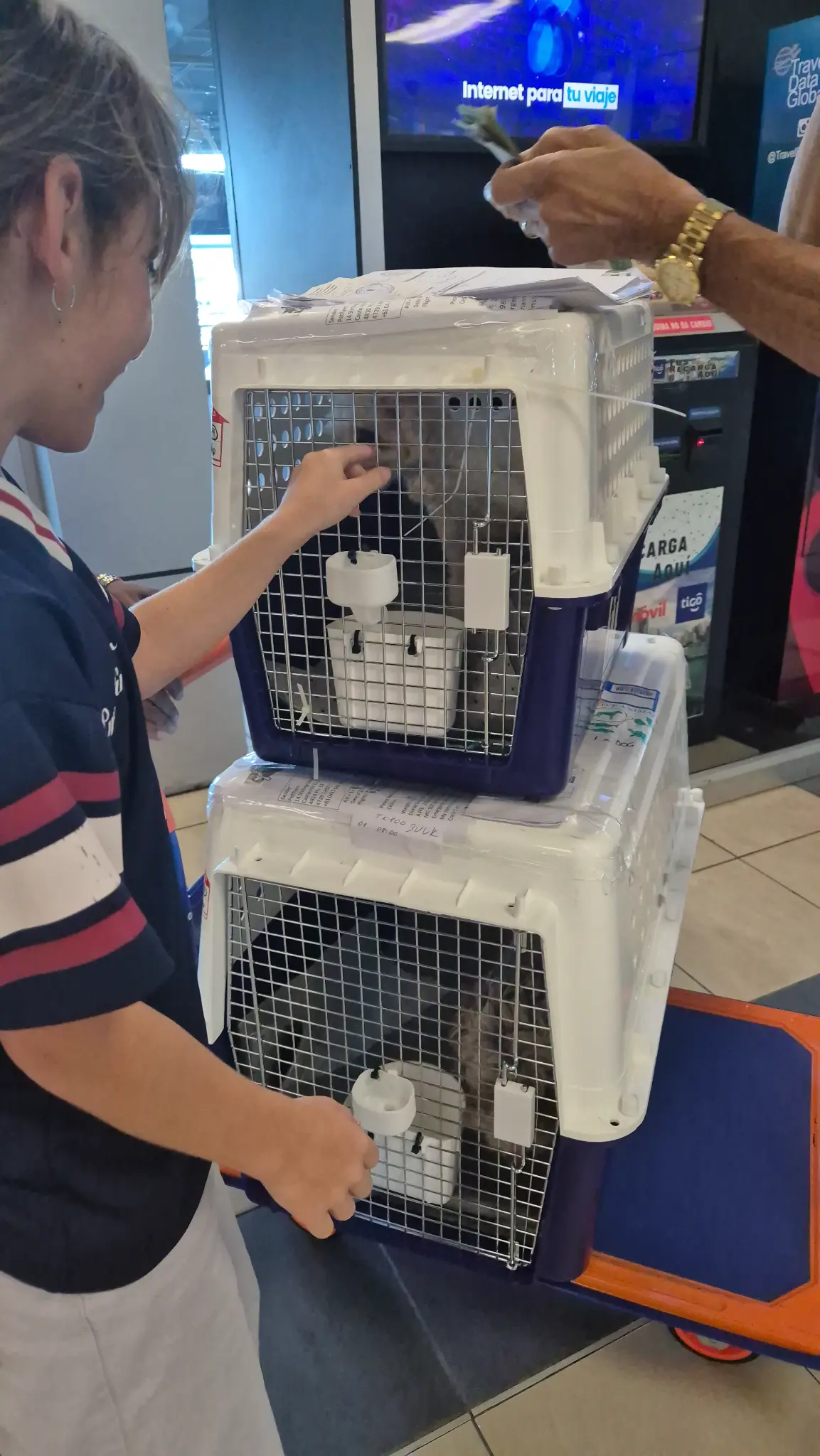
For pets, the Canadian Food Inspection Agency and Panama both have a role. Canadian export certificates may need veterinary completion and official endorsement, while Panama may require authentication, advance quarantine paperwork, inspection and a fee . Canadian documents have country-specific requirements, so acceptance should be confirmed with the relevant authority. Ask CFIA, Panama's current authority and the airline.
We moved two dogs and learned that the pet plan needs its own calendar. Do not bury it inside the general moving checklist. Add vaccine dates, microchip details, health certificate timing, crate size, flight booking, arrival pickup and the name of the person carrying each original document.
With pets, start early. We moved with two dogs and learned that airline rules, health certificates, timing, crate measurements and arrival procedures are not details to leave until the final week. Use the official instructions for your departure country and Panama, then ask the airline to confirm the exact flight-specific requirements in writing. Fees and quarantine rules should be checked for your departure country, airline and travel date.
Flights and time zone
Panama is UTC-5 year-round. Toronto and much of eastern Canada normally line up differently during daylight saving changes, so the time difference can move during the year. Western Canada is further away. Tell relatives the local time and check the date when booking calls.
Some Canadian routes are seasonal or have limited frequency. Air Canada and other carriers publish current fares and schedules, but direct service, bags and pet space can change . A flight price is not the full cost when five people, dogs, baggage and airport transfers are involved.
Before the final move, test the route with a normal visit. Spend time doing groceries, laundry, school research and a clinic appointment. That reveals more than a week of sightseeing and helps you decide whether the journey home feels manageable.
We recommend doing one test trip before the final move if you can. Stay long enough to experience rain, traffic, supermarkets, a medical appointment and an ordinary weekday. A holiday gives you a picture of Panama. A month gives you information.
Where people from Canada live in Panama
Panama City is the simplest first base for Canadian families who want hospitals, private schools, work services and the international airport close by. San Francisco, El Cangrejo, Clayton and Costa del Este each have different traffic and housing patterns. Do an ordinary school or work commute before choosing.
Boquete and Volcán appeal to people who want cooler weather, gardens and a smaller community. Coronado and the Pacific coast appeal to people who want beach time and more space. We recommend renting before buying. A Canadian winter escape can make a beach town feel perfect; a full year may feel different.
Canadian networks can help with introductions, but do not confuse a friendly community with a complete support system. Check hospitals, internet, transport, schools, groceries and pet care for your own household. The best place is the place that supports your real week.
We live in Panama City, and that shapes what we know best. Panama City gives you private hospitals, international schools, airports, services and a large international community. Boquete and Volcán feel cooler and slower. The Pacific beach towns offer a different rhythm. Visit before signing a long lease. A month-long Airbnb is often a better first step than trying to choose your forever town from a screen.
Our honest take
Canadian members often say the winter relief is real, but they also notice humidity, maintenance and bureaucracy. Panama asks you to be more present. You may need to follow up, translate a document or ask a different person. That is not a failure of the move. It is part of learning the system.
Our honest take is to plan the Canadian tax exit before you plan the farewell party. Keep your first year flexible. Rent for a month, then three months if needed. The goal is not to prove that Panama is cheaper. The goal is to find out whether your family functions well here.
Panama is not a magic reset. There is humidity, traffic, paperwork, language learning, uneven services and days when you miss the simple familiarity of home. We still think the move has been worth it. The key was accepting that a better life is not a life without friction. It is a life where the friction feels connected to something you chose.
Before you book anything
Create a Canadian departure folder with tax advice, health coverage notes, pension statements, asset records, identity documents and a clear list of Canadian accounts. Create a separate Panama folder for apostilles, translations, police checks, immigration receipts and family documents .
Make two housing budgets. One should reflect a couple or small household. The other should reflect a family needing three or four bedrooms. Larger homes can take longer to find in some areas, so give yourself time. A month-long Airbnb is often money well spent while you test towns.
Start with the the free Panama Starter Kit and then use the $27 guide to bring the visa, cost, healthcare, pet and daily-life decisions into one sequence. We built the sequence because scattered advice made our own move harder than it needed to be.
Download the free Panama Starter Kit for a simple first checklist. Then read the full Pathway to Panama guide before you make decisions about residency, housing, schools, healthcare, vehicles or pets.
The practical part people leave out
Moving countries is a chain of small jobs. The jobs are not difficult because each one is complicated. They are difficult because they arrive together. A document needs a current date. A rental needs a deposit. A pet needs a certificate inside a narrow window. A school wants records while an insurer wants medical history. Put every job on one page and give each job an owner. If nobody owns the next step, the family ends up discussing it repeatedly without moving it forward.
Build your first Panama month around observation rather than consumption. Visit the supermarket you would use on a normal Tuesday. Test the route to a hospital. Walk the streets in rain and heat. Ask a repair person how appointments work. Sit in a cafe with the children. Notice whether your internet works from the room where you would actually work. These details sound ordinary, but ordinary life is the product you are choosing. A beach view cannot compensate for a daily routine that exhausts everyone.
Keep your first housing choice reversible. We recommend a furnished long-term Airbnb or similar rental for one month, then extending only after you have tested more than one area. In some parts of Panama, three- and four-bedroom homes are harder to find, especially when you want a particular school route, pet policy, budget or level of maintenance. Give yourself time to find the right house and area. A rushed lease creates more decisions, not fewer.
Make a language plan that matches your life. Learn the Spanish words you need for rent, utilities, school, health, documents, repairs and pets. Save the names and addresses of the people who help you. Take a photograph of a useful form when someone explains it. Ask for a written quote. Confirm what is included. This is not about distrusting everyone. It is about making sure that a friendly conversation becomes a clear next step.
Keep an arrival folder that can be opened when you are tired. Put passports, copies, emergency contacts, accommodation details, prescriptions, pet documents, insurance information and the first week's addresses in one place. Put the same documents in a secure digital folder that works without a local SIM card. Share the folder with one trusted person at home. This small step means the family does not have to search through ten bags when a taxi driver, clinic or airline asks for an answer.
We wrote our story so you can see the family behind Pathway Unlocked. We are not presenting ourselves as immigration lawyers, tax advisers or doctors. We are a family that made a large move, keeps asking questions and shares the working notes that would have saved us time. Use this guide to make a shortlist, then confirm the parts that affect your legal status, money, health or family safety with the right professional.
Frequently asked questions
Can citizens of Canada move to Panama?
Citizens of Canada may be able to visit and apply for a Panamanian residence category, but eligibility depends on the person's passport, income, family, work and investment facts. Check the current immigration rules before acting.
What is the main retirement route from Canada?
The Pensionado route is the first one to ask about when you receive a qualifying lifetime pension. The current amount is listed as a lifetime pension of at least B/.1,000 monthly, plus B/.250 per dependent , but this should be checked with Panama Immigration and your adviser before filing.
Can I work remotely from Panama?
Some people use a temporary remote-worker route, while others need a residence category connected to work, business or investment. The correct answer depends on where your clients are, where your employer is and how long you plan to stay. Ask for a current written answer.
Will I still pay tax in Canada after leaving?
Possibly. Tax residence, property, pensions, investments, company income and departure rules can all change the answer. Canada may apply departure-tax rules and continuing Canadian-source obligations Get advice before you give up a home or change your banking address.
How much money do I need each month in Panama?
There is no single family number. Panama City rent, schooling, health cover, imported food, transport and the size of your home make the biggest difference. Use the real-dollar examples on this page as a starting budget, not a promise.
How long is the flight from Canada to Panama?
Toronto to Panama City is often around 5 to 6 hours nonstop when a seasonal direct service operates Exact routes, fares, baggage rules and connections change by airport and season. Check the airline before booking.
Should I ship everything from Canada?
Usually not on your first move. Price a small shipment, storage and replacement locally. Bring the things that are costly or meaningful to replace, and get a written quote that separates freight, insurance, customs, port, delivery and storage.
Where should I live when I first arrive?
We recommend a furnished month-long rental first. Panama City, the highlands and the Pacific coast feel very different. Give yourself time to test ordinary life before committing to a long lease.
Make your Panama plan with fewer unknowns
The $27 Pathway to Panama guide is the complete member resource we wish we had before our family left Australia.
Open the $27 guideThis page is general information, not legal, tax, immigration, medical or financial advice. Thresholds and fees should be checked against current official documents before you act.